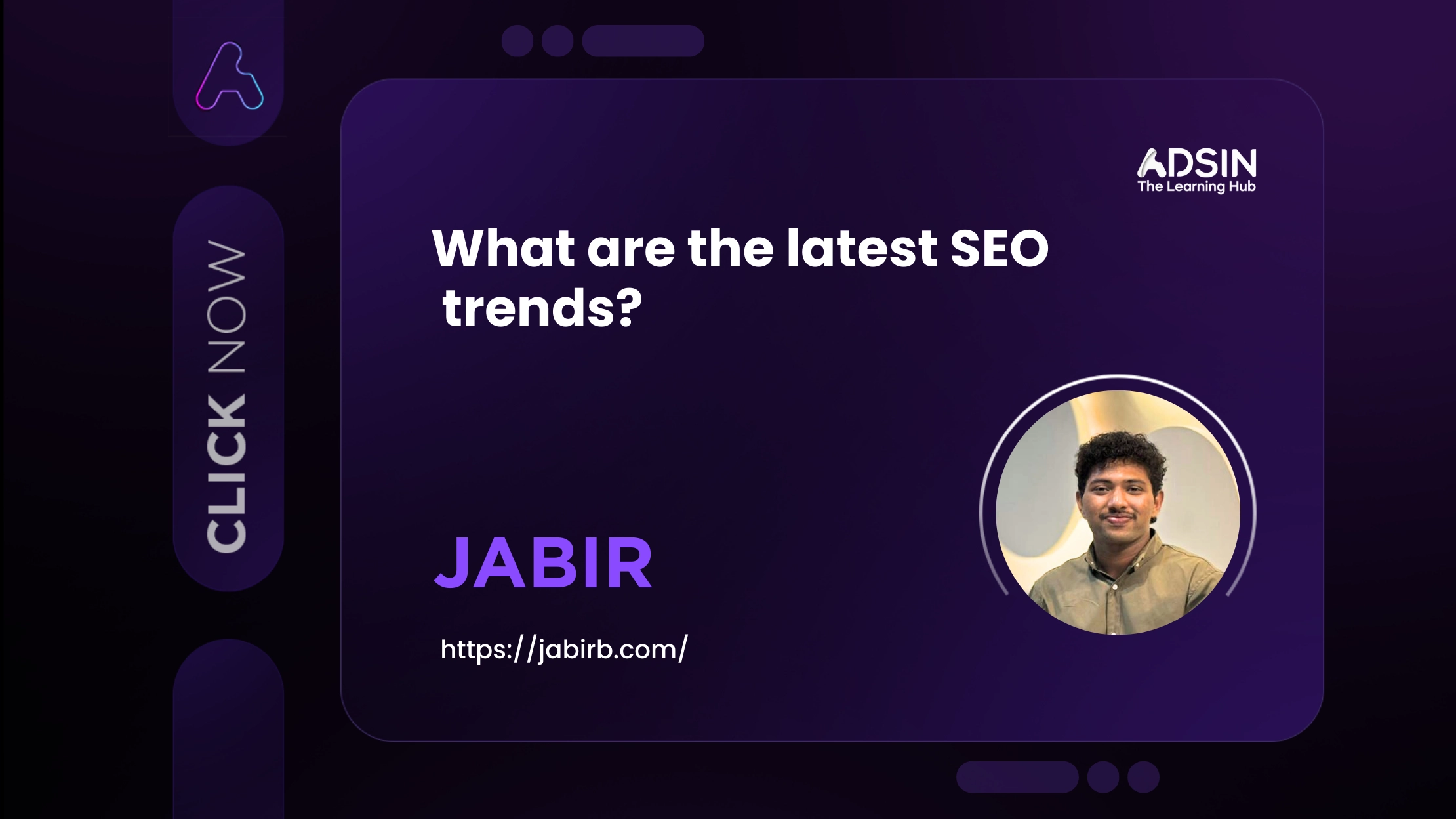
What are the latest SEO trends?
The Transformation of Search Strategy
In 2026, SEO has evolved far beyond simple keyword placement and backlink building. It has become a complex, multi-layered strategy that blends traditional optimization techniques with AI-driven discovery and cross-platform visibility. While the core objective remains the same — helping users find relevant and high-quality information — the way search engines interpret content and the platforms where audiences discover it have fundamentally changed. Search is no longer confined to ranking on a list of blue links; it now involves being understood, summarized, and recommended by intelligent systems.
AI-Centric Search and Generative Optimization
One of the most influential developments shaping SEO today is the rise of AI-powered answer engines. Platforms such as ChatGPT, Gemini, Claude, and Perplexity are transforming how users receive information. Instead of presenting a list of links, these systems generate direct answers, summaries, and recommendations. As a result, optimization now extends beyond traditional SERPs into what is commonly called Generative Engine Optimization (GEO) or Answer Engine Optimization (AEO). Brands are no longer competing solely for the top position on search results pages; they are striving to be cited as authoritative sources within AI-generated responses. Content must therefore be structured, credible, and easily retrievable so that AI systems can interpret and trust it when constructing answers.
The Rise of Zero-Click Behavior
A significant consequence of AI-powered search is the rapid growth of zero-click searches. Users increasingly obtain the information they need directly from search interfaces or AI assistants without visiting a website. Recent industry insights suggest that more than half of searches now end without a click. This shift has forced marketers to rethink how success is measured. Instead of focusing exclusively on click-through rates and organic traffic, businesses are paying closer attention to brand visibility within AI outputs, citation frequency, and overall authority in conversational results. The emphasis has moved from generating traffic alone to building recognizable authority within AI ecosystems.
The Critical Role of E-E-A-T
Experience, Expertise, Authoritativeness, and Trustworthiness — collectively known as E-E-A-T — have become central pillars of modern SEO. While earlier guidelines emphasized E-A-T as best practice, in 2026 it functions as an essential credibility filter. AI systems and search engines increasingly prioritize content that demonstrates genuine expertise and real-world experience. Businesses must clearly present author credentials, professional backgrounds, case studies, and tangible results to establish trust. This emphasis responds to the growing presence of low-quality and automated content online. Demonstrating authentic knowledge and transparency is now one of the strongest ways to stand out in both traditional and AI-driven search environments.
Conversational and Voice Search Growth
The growing use of voice assistants and conversational AI has also reshaped search behavior. Queries are becoming more natural, detailed, and question-oriented. Users are speaking to devices in complete sentences rather than typing short keyword phrases. As a result, content must align with natural language patterns and provide clear, direct answers to specific questions. Structuring content semantically and addressing user intent in a conversational tone significantly increases the likelihood of being surfaced in voice responses or AI-generated summaries.
The Expansion of Multi-Platform Discovery
Search visibility is no longer limited to traditional engines. Users now discover information across social platforms, online communities, video platforms, and forums. AI systems frequently draw insights from discussions, multimedia content, and social signals when generating responses. This means a brand’s presence on platforms such as YouTube, Reddit, Instagram, and other digital ecosystems directly influences its overall search authority. Maintaining consistent, valuable content across multiple channels not only broadens audience reach but also strengthens the likelihood of being referenced in AI-driven discovery formats.
Technical SEO in the AI Era
Despite these advancements, technical SEO fundamentals remain essential. Website speed, mobile responsiveness, structured data, and strong Core Web Vitals continue to influence performance. However, their importance now extends beyond traditional crawling and indexing. Clean site architecture and structured markup help AI systems quickly interpret content and determine its relevance. In an environment where AI selects information instantly for summaries and answers, clarity and technical precision can determine whether content is featured prominently or overlooked entirely.
Visual and Multimodal Search
Search is increasingly multimodal, integrating text, images, video, and interactive media. Users rely on visual tools and short-form video platforms to explore topics and products. Optimizing images with descriptive alt text, adding accurate metadata, and structuring multimedia content properly enhances discoverability. As AI systems become more capable of interpreting visual information, brands that invest in multimedia optimization gain an advantage in both traditional search results and AI-generated outputs.
Intent and Topical Authority Over Keywords
Finally, SEO in 2026 prioritizes user intent and topical authority over simple keyword targeting. Search engines and AI models are better equipped to understand context, evaluate depth, and measure relevance. Websites that build comprehensive topic clusters, publish authoritative guides, and provide detailed explanations tend to perform more strongly than those relying on repetitive keyword strategies. The focus has shifted toward genuinely solving user problems and delivering complete, insightful answers.
Conclusion
SEO in 2026 represents a shift from ranking-based competition to authority-driven visibility within AI ecosystems. Success now depends on being trusted, structured, and present across multiple digital environments. Brands that combine strong technical foundations, authentic expertise, cross-platform visibility, and AI-optimized content strategies will lead the future of search in an increasingly conversational and AI-powered world.