
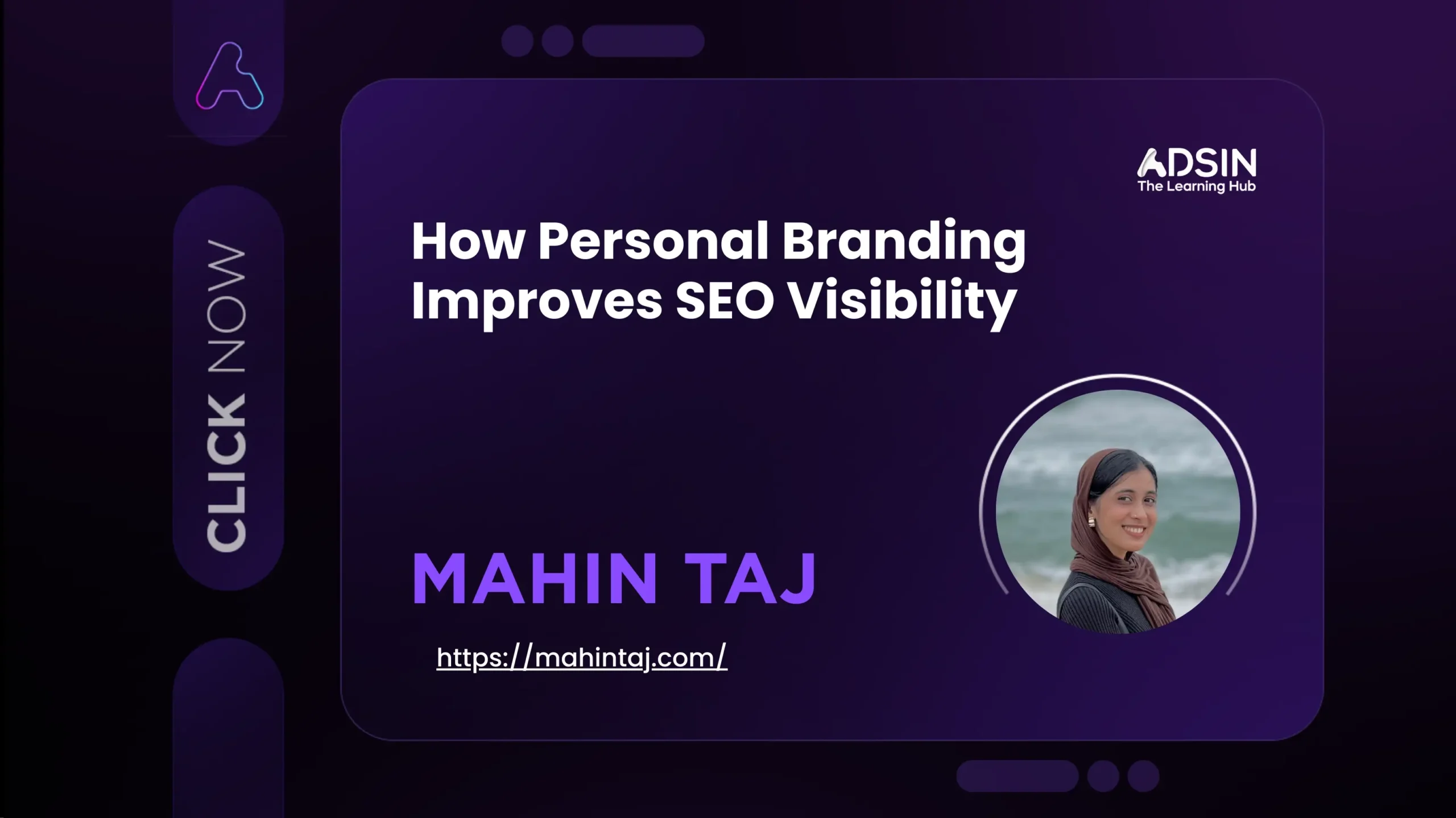
How Personal Branding Improves SEO Visibility
In the modern digital ecosystem, personal branding has become a powerful asset for professionals, entrepreneurs, and digital marketers. Beyond building recognition and trust, personal branding plays a significant role in improving SEO visibility. Search engines increasingly prioritize credible, authoritative, and human-centered content, making personal branding a key factor in achieving sustainable search rankings. When strategically aligned with SEO, personal branding strengthens online presence and long-term discoverability.
Understanding Personal Branding in the Digital Space
Personal branding is the process of positioning yourself as a recognizable and trusted expert in your field. It involves consistently communicating your values, expertise, and unique voice across digital platforms. From websites and blogs to social media profiles and guest publications, personal branding helps create a cohesive identity. This consistency sends strong signals to both users and search engines, enhancing credibility and visibility.
The Connection Between Personal Branding and SEO
Search engines aim to deliver the most reliable and relevant results to users. Personal branding supports this goal by establishing clear ownership and accountability for content. When content is associated with a real person who demonstrates expertise and experience, it becomes more trustworthy. This alignment improves search engine confidence, contributing to higher rankings and better visibility.
Building Trust Through Authority and Expertise
Authority is a cornerstone of effective SEO. Personal branding helps demonstrate authority by showcasing qualifications, experience, and thought leadership. Regularly publishing insightful content, sharing industry knowledge, and engaging in meaningful conversations establishes expertise. Over time, search engines recognize this authority through consistent performance, backlinks, and user engagement, leading to improved SEO outcomes.
Content Creation and Personal Voice
Content that reflects a genuine personal voice resonates more strongly with audiences. Personal branding allows creators to develop a unique tone and perspective, which improves engagement metrics such as time on page and return visits. These user signals indicate content quality to search engines. Blogs, articles, and case studies written with authenticity tend to perform better in organic search results.
Author Identity and E-E-A-T Signals
E-E-A-T (Experience, Expertise, Authoritativeness, and Trustworthiness) has become increasingly important in SEO. Personal branding directly strengthens these signals. Clear author profiles, professional bios, credentials, and real-world experience help search engines assess content credibility. Adding author pages and structured data further enhances recognition and trustworthiness.
Backlinks and Brand Mentions
A strong personal brand naturally attracts backlinks and brand mentions. When people recognize and respect an individual’s expertise, they are more likely to reference their work. These backlinks serve as endorsements that boost domain authority and search rankings. Brand mentions without links also contribute to SEO by reinforcing relevance and authority in a particular niche.
Social Media Visibility and SEO Impact
While social media signals are not direct ranking factors, they play a supporting role in SEO visibility. Personal branding on platforms like LinkedIn, Twitter, and Instagram increases content reach and engagement. Increased exposure leads to more traffic, shares, and potential backlinks. A strong social presence amplifies content performance and strengthens overall digital authority.
Consistency Across Digital Platforms
Consistency is essential for both personal branding and SEO. Using the same name, messaging, visuals, and expertise focus across platforms helps search engines understand and associate content with a specific entity. This clarity improves indexing and reinforces brand identity. Consistent personal branding also builds trust with users, encouraging repeat engagement.
Personal Websites as Authority Hubs
A personal website acts as the central hub for personal branding and SEO efforts. It allows full control over content, structure, and optimization. Publishing high-quality blogs, case studies, and resources on a personal site strengthens topical authority. Internal linking and proper SEO optimization further enhance visibility and search performance.
Guest Blogging and Thought Leadership
Guest blogging is an effective way to expand personal brand reach and improve SEO visibility. Publishing content on authoritative websites introduces your expertise to new audiences and earns high-quality backlinks. Thought leadership articles establish credibility and reinforce authority in your niche. These efforts collectively strengthen SEO performance.
User Engagement and Behavioral Signals
Personal branding positively influences user engagement. When audiences recognize and trust an individual, they are more likely to interact with content. Higher click-through rates, longer session durations, and lower bounce rates signal relevance and quality to search engines. These behavioral metrics contribute to improved rankings and visibility.
Local and Niche SEO Advantages
Personal branding is especially effective in local and niche SEO. Professionals who optimize content around specific locations or industries can dominate targeted search queries. Local recognition, reviews, and community engagement further strengthen visibility. Personal branding helps create a strong presence where competition may be limited but highly valuable.
Long-Term SEO Benefits of Personal Branding
Unlike short-term SEO tactics, personal branding delivers long-lasting benefits. Authority, trust, and recognition accumulate over time, leading to stable rankings and consistent traffic. As search algorithms evolve, personal branding ensures adaptability by aligning with user-centric and credibility-focused ranking factors.
Challenges and Best Practices
Building a personal brand requires consistency, patience, and authenticity. Over-promotion or inconsistent messaging can weaken trust. Best practices include focusing on value-driven content, maintaining transparency, and engaging genuinely with audiences. Ethical SEO and honest branding ensure sustainable growth and long-term visibility.
Conclusion
Personal branding significantly improves SEO visibility by building trust, authority, and meaningful connections with audiences. Through consistent identity, authentic content, and strategic SEO practices, individuals can enhance their online presence and search rankings. In a digital environment that prioritizes credibility and human expertise, personal branding is no longer optional—it is essential for long-term SEO success.