Digital Marketing

Best digital marketing expert in calicut

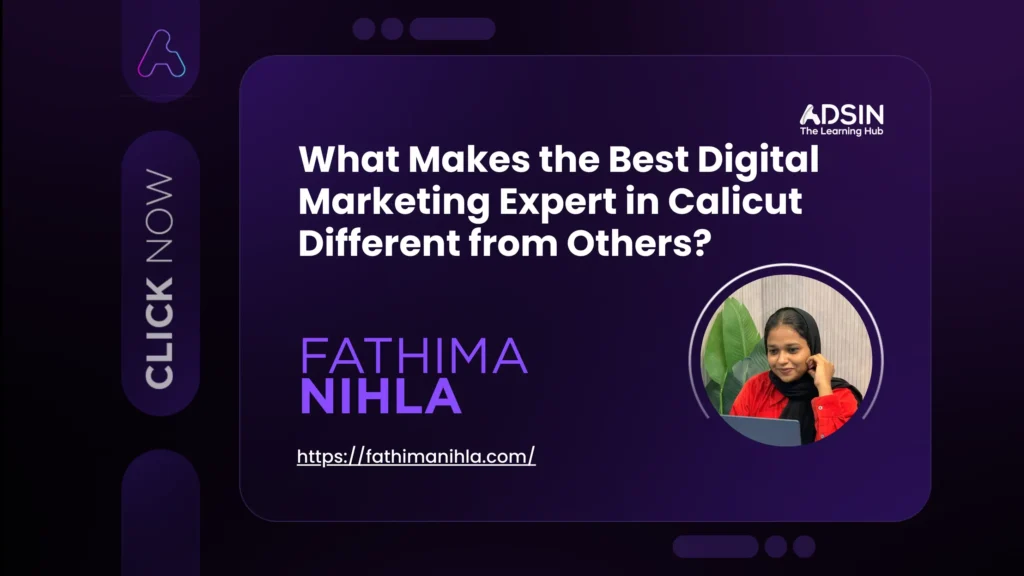
What Makes the Best Digital Marketing Expert in Calicut Different from Others?

What Makes the Best Digital Marketing Expert in Calicut Different from Others? In today’s competitive digital world, choosing the right marketing professional can decide the success or failure of your business. The best digital marketing expert in Calicut stands apart not by offering generic services, but by delivering strategies that are personalized, data-driven, and result-oriented.     One of the biggest factors that separates the best digital marketing expert in Calicut from others is deep local market knowledge. Calicut has its own business culture, customer mindset, and digital behavior. A local expert understands how people in the region search online, which platforms they actively use, and what type of content connects emotionally with them. Unlike generic marketers who apply the same strategy everywhere, the best digital marketing expert in Calicut creates campaigns aligned with local language preferences, trends, and buying intent, helping businesses build trust faster and attract high-intent customers. Understanding Personal Branding in the Digital Space Personal branding is the process of positioning yourself as a recognizable and trusted expert in your field. It involves consistently communicating your values, expertise, and unique voice across digital platforms. From websites and blogs to social media profiles and guest publications, personal branding helps create a cohesive identity. This consistency sends strong signals to both users and search engines, enhancing credibility and visibility. The Connection Between Personal Branding and SEO Search engines aim to deliver the most reliable and relevant results to users. Personal branding supports this goal by establishing clear ownership and accountability for content. When content is associated with a real person who demonstrates expertise and experience, it becomes more trustworthy. This alignment improves search engine confidence, contributing to higher rankings and better visibility. Building Trust Through Authority and Expertise Authority is a cornerstone of effective SEO. Personal branding helps demonstrate authority by showcasing qualifications, experience, and thought leadership. Regularly publishing insightful content, sharing industry knowledge, and engaging in meaningful conversations establishes expertise. Over time, search engines recognize this authority through consistent performance, backlinks, and user engagement, leading to improved SEO outcomes. Content Creation and Personal Voice Content that reflects a genuine personal voice resonates more strongly with audiences. Personal branding allows creators to develop a unique tone and perspective, which improves engagement metrics such as time on page and return visits. These user signals indicate content quality to search engines. Blogs, articles, and case studies written with authenticity tend to perform better in organic search results. Author Identity and E-E-A-T Signals E-E-A-T (Experience, Expertise, Authoritativeness, and Trustworthiness) has become increasingly important in SEO. Personal branding directly strengthens these signals. Clear author profiles, professional bios, credentials, and real-world experience help search engines assess content credibility. Adding author pages and structured data further enhances recognition and trustworthiness. Backlinks and Brand Mentions A strong personal brand naturally attracts backlinks and brand mentions. When people recognize and respect an individual’s expertise, they are more likely to reference their work. These backlinks serve as endorsements that boost domain authority and search rankings. Brand mentions without links also contribute to SEO by reinforcing relevance and authority in a particular niche. Social Media Visibility and SEO Impact While social media signals are not direct ranking factors, they play a supporting role in SEO visibility. Personal branding on platforms like LinkedIn, Twitter, and Instagram increases content reach and engagement. Increased exposure leads to more traffic, shares, and potential backlinks. A strong social presence amplifies content performance and strengthens overall digital authority. Consistency Across Digital Platforms Consistency is essential for both personal branding and SEO. Using the same name, messaging, visuals, and expertise focus across platforms helps search engines understand and associate content with a specific entity. This clarity improves indexing and reinforces brand identity. Consistent personal branding also builds trust with users, encouraging repeat engagement. Personal Websites as Authority Hubs A personal website acts as the central hub for personal branding and SEO efforts. It allows full control over content, structure, and optimization. Publishing high-quality blogs, case studies, and resources on a personal site strengthens topical authority. Internal linking and proper SEO optimization further enhance visibility and search performance. Guest Blogging and Thought Leadership Guest blogging is an effective way to expand personal brand reach and improve SEO visibility. Publishing content on authoritative websites introduces your expertise to new audiences and earns high-quality backlinks. Thought leadership articles establish credibility and reinforce authority in your niche. These efforts collectively strengthen SEO performance. User Engagement and Behavioral Signals Personal branding positively influences user engagement. When audiences recognize and trust an individual, they are more likely to interact with content. Higher click-through rates, longer session durations, and lower bounce rates signal relevance and quality to search engines. These behavioral metrics contribute to improved rankings and visibility. Local and Niche SEO Advantages Personal branding is especially effective in local and niche SEO. Professionals who optimize content around specific locations or industries can dominate targeted search queries. Local recognition, reviews, and community engagement further strengthen visibility. Personal branding helps create a strong presence where competition may be limited but highly valuable. Long-Term SEO Benefits of Personal Branding Unlike short-term SEO tactics, personal branding delivers long-lasting benefits. Authority, trust, and recognition accumulate over time, leading to stable rankings and consistent traffic. As search algorithms evolve, personal branding ensures adaptability by aligning with user-centric and credibility-focused ranking factors. Challenges and Best Practices Building a personal brand requires consistency, patience, and authenticity. Over-promotion or inconsistent messaging can weaken trust. Best practices include focusing on value-driven content, maintaining transparency, and engaging genuinely with audiences. Ethical SEO and honest branding ensure sustainable growth and long-term visibility. Conclusion Personal branding significantly improves SEO visibility by building trust, authority, and meaningful connections with audiences. Through consistent identity, authentic content, and strategic SEO practices, individuals can enhance their online presence and search rankings. In a digital environment that prioritizes credibility and human expertise, personal branding is no longer optional—it is essential for long-term SEO success. Author: MAHIN TAJBEST DIGITAL MARKETER IN WAYANAD Back Home For Admission Recent Post Recent Post Uncategorized

What Makes the Best Digital Marketing Expert in Calicut Different from Others? Read More »

Best Digital Marketing Expert in Calicut

Why Businesses Choose a Digital Marketer to Scale Faster in 2026

Why Businesses Choose a Digital Marketer to Scale Faster in 2026 In 2026, business growth looks very different from what it did just a few years ago. Customers are more informed, competition is more intense, and digital platforms influence almost every buying decision. In this fast paced environment, businesses are no longer asking whether they need digital marketing  they are asking who can help them scale faster and smarter. This is why more businesses are choosing to work with a professional digital marketer.   A skilled digital marketer brings strategy, clarity, and measurable growth. Instead of relying on guesswork or outdated methods, businesses now depend on data-driven digital expertise to expand their reach, generate quality leads, and increase revenue. The Shift from Traditional Growth to Digital Acceleration Traditional marketing methods such as print ads, billboards, and cold outreach have become less effective in a world dominated by search engines and social media. Today’s customers research online, compare brands, read reviews, and engage with content before making a purchase decision.   Digital marketers understand this shift in behavior. They help businesses meet customers where they already are on Google, social platforms, websites, and mobile devices. By creating targeted digital strategies, businesses can accelerate growth without wasting time or budget on methods that no longer deliver results. Strategic Planning Saves Time and Resources Scaling a business without a clear strategy often leads to confusion and wasted effort. One of the main reasons businesses choose a digital marketer is strategic planning. A digital marketer analyzes the business, target audience, competition, and market trends before building a customized growth roadmap.   This strategic approach helps businesses focus on high-impact activities. Instead of trying everything at once, digital marketers prioritize the channels and tactics that offer the best return on investment. This saves time, reduces unnecessary spending, and speeds up the scaling process. SEO Brings Long Term, Sustainable Growth Search Engine Optimization plays a crucial role in business scaling in 2026. When customers search for products or services online, they trust businesses that appear at the top of search results. A digital marketer ensures that a business website is optimized for relevant keywords, user experience, and search intent.   Unlike paid ads that stop delivering once the budget ends, SEO creates long-term visibility. Digital marketers focus on technical optimization, content creation, and authority building to help businesses attract consistent organic traffic and qualified leads over time. Content Marketing Builds Authority and Trust Modern customers prefer brands that educate rather than aggressively sell. Content marketing allows businesses to demonstrate expertise, solve customer problems, and build trust. Digital marketers create high value content such as blogs, videos, case studies, and social media posts that connect with the audience.   This content not only supports SEO but also nurtures potential customers throughout their buying journey. By delivering the right message at the right time, digital marketers help businesses convert visitors into loyal customers, accelerating growth in a natural and sustainable way. Social Media Drives Engagement and Brand Loyalty Social media platforms have become powerful tools for business expansion. However, success on social media requires more than random posting. Digital marketers understand platform algorithms, content trends, and audience behavior.   They create consistent posting schedules, engaging creatives, and targeted campaigns that increase brand visibility and engagement. Through meaningful interactions and community building, businesses gain loyal followers who trust the brand and are more likely to convert into customers. Paid Advertising Delivers Faster Results When Done Right While organic strategies are essential, paid advertising remains one of the fastest ways to scale when managed correctly. Digital marketers design and optimize paid campaigns across Google Ads, social media platforms, and other digital channels.   By targeting the right audience, crafting compelling ad creatives, and continuously optimizing performance, digital marketers ensure that businesses get maximum results from their advertising budget. This combination of speed and precision helps businesses scale faster without overspending. Data Driven Decisions Reduce Risk One of the biggest advantages of working with a digital marketer is access to real-time data and insights. Every campaign can be tracked, measured, and analyzed. Digital marketers monitor key metrics such as traffic, engagement, conversion rates, and customer behavior.   This data allows businesses to make informed decisions and quickly adapt strategies. Instead of relying on assumptions, businesses can confidently scale based on proven results and performance insights. Personalization Improves Customer Experience In 2026, customers expect personalized experiences. Generic messaging no longer works. Digital marketers use data, automation tools, and customer insights to deliver personalized content, offers, and communication.   From targeted email campaigns to customized landing pages, personalization increases engagement and conversion rates. Businesses that offer relevant and tailored experiences gain a competitive advantage and grow faster in crowded markets. Digital Marketers Enable Scalable Systems Scaling a business requires systems that can grow without breaking. Digital marketers help set up scalable systems such as marketing automation, CRM integration, lead funnels, and performance dashboards.   These systems ensure that as traffic and leads increase, the business can handle growth efficiently. This operational scalability allows businesses to expand without losing control over quality or customer experience. Staying Ahead in a Competitive Digital Landscape Digital trends evolve rapidly. Search algorithms change, social platforms introduce new features, and consumer behavior continues to shift. Businesses choose digital marketers because staying updated is part of their job.   A digital marketer continuously tests new strategies, adapts to changes, and keeps the business ahead of competitors. This proactive approach ensures long-term growth and relevance in an ever-changing digital landscape. Final Thoughts In 2026, scaling a business is not about doing more  it’s about doing the right things efficiently. Businesses choose digital marketers because they offer expertise, strategy, and measurable growth. From SEO and content to social media and paid advertising, digital marketers create integrated strategies that drive faster, smarter, and more sustainable scaling.   For businesses that want to grow with confidence, visibility, and impact, partnering with a digital marketer is no longer a luxury  it’s a growth necessity.

Why Businesses Choose a Digital Marketer to Scale Faster in 2026 Read More »

BEST DIGITAL MARKETING EXPERT IN CALICUT

Digital Marketing Strategy Every Small Business Must Follow in 2026

Digital Marketing Strategy Every Small Business Must Follow in 2026 The digital landscape is evolving faster than ever, and 2026 is set to bring even more transformation in how businesses connect with their audience. For small businesses, digital marketing is no longer optional. It is the backbone of growth, brand visibility, and customer engagement. With increasing competition and smarter consumers, businesses must adopt a structured and future ready digital marketing strategy to stay ahead.   Understanding the right approach can help small businesses build authority, generate quality leads, and increase revenue consistently. Let’s explore the essential digital marketing strategies every small business must follow in 2026. Understanding Your Target Audience Deeply In 2026, successful marketing begins with deep audience understanding. Small businesses must go beyond basic demographics and focus on customer behavior, interests, online habits, and purchasing patterns. Consumers now expect personalized experiences. Generic marketing messages no longer work.   Using data analytics tools, website insights, and social media analytics, businesses can identify what their audience truly wants. When marketing campaigns are built around real customer needs, engagement increases naturally. Personalization is no longer a luxury; it is a necessity for survival in the competitive digital marketplace. Building a Strong Brand Presence Online Branding is more than just a logo or color palette. In 2026, brand identity defines how customers perceive and trust your business. A small business must maintain consistency across its website, social media platforms, email campaigns, and advertisements.   Your brand voice, messaging, and visuals should reflect your values and mission. When customers repeatedly see a consistent brand message, it builds recognition and trust. Trust leads to conversions. Investing time in developing a strong brand identity ensures long-term growth and credibility in the digital space. Optimizing for Search Engines and Voice Search Search engine optimization continues to be one of the most powerful digital marketing strategies. However, in 2026, SEO goes beyond keywords. Search engines now prioritize user experience, helpful content, and website performance.   Small businesses must focus on creating informative, high quality content that answers user queries clearly. Website speed, mobile responsiveness, and structured data play a significant role in rankings. Voice search is also growing rapidly. With more users relying on voice assistants, optimizing content for conversational queries becomes crucial. Businesses that adapt to voice search trends will gain a competitive advantage. Leveraging Social Media Strategically Social media is not just about posting content regularly. In 2026, strategic engagement matters more than frequency. Small businesses should choose platforms where their target audience is most active instead of trying to be everywhere.   Short form videos, interactive content, and live sessions are dominating social platforms. Audiences prefer authentic and relatable content over overly promotional messages. Building a community around your brand through meaningful interactions helps strengthen customer loyalty. Social media advertising also allows small businesses to target specific audiences with precision, making it a cost effective marketing tool. Creating Value-Driven Content Marketing Content remains the foundation of digital marketing. However, the focus has shifted toward value-driven content. Instead of directly selling products or services, businesses must educate, inform, and solve problems for their audience.   Blogs, videos, podcasts, and infographics that provide real solutions build authority and trust. In 2026, storytelling plays a significant role in content marketing. Sharing real experiences, case studies, and behind the-scenes stories makes a brand more human and relatable. When customers see value in your content, they are more likely to choose your business over competitors. Investing in Paid Advertising Smartly Organic growth is powerful, but combining it with paid advertising accelerates results. Platforms like Google Ads, Meta Ads, and other digital advertising networks provide advanced targeting options in 2026.   Small businesses should focus on data driven ad campaigns. Instead of spending large budgets blindly, analyzing performance metrics such as click through rates, conversions, and return on investment ensures better results. Retargeting strategies also help bring back potential customers who previously interacted with your brand. Smart paid advertising increases visibility and boosts sales effectively. Email Marketing and Automation Despite the rise of social media, email marketing remains one of the highest ROI generating strategies. In 2026, automation plays a crucial role in improving email marketing performance.   Personalized email sequences based on customer behavior help nurture leads and build long-term relationships. Automated welcome emails, follow ups, and promotional campaigns save time while maintaining consistent communication. When emails are relevant and valuable, they encourage repeat purchases and customer loyalty. Embracing Artificial Intelligence and Data Analytics Artificial intelligence is transforming digital marketing strategies in 2026. Small businesses can use AI powered tools for content generation, customer support chatbots, predictive analytics, and campaign optimization.   Data analytics allows businesses to measure performance accurately and make informed decisions. Understanding what works and what doesn’t prevents wasted marketing budgets. AI-driven insights help personalize user experiences, improving customer satisfaction and engagement. Businesses that embrace technology gain efficiency and competitive advantage. Focusing on Customer Experience and Reviews Customer experience directly impacts brand reputation. In 2026, online reviews and testimonials heavily influence purchasing decisions. Small businesses must encourage satisfied customers to leave positive reviews on platforms like Google and social media.   Responding to feedback professionally, whether positive or negative, shows that the business values its customers. A seamless website experience, easy navigation, clear communication, and quick response times contribute to overall customer satisfaction. A happy customer not only returns but also becomes a brand advocate. Adapting to Continuous Change Digital marketing trends evolve rapidly. What works today may not work tomorrow. Small businesses must stay updated with new technologies, algorithm changes, and consumer behavior trends.   Continuous learning and experimentation are key to long-term success. Testing new content formats, exploring emerging platforms, and analyzing competitor strategies help businesses stay relevant. Flexibility and adaptability are essential qualities for thriving in the digital world of 2026. Conclusion Digital marketing in 2026 is about strategy, personalization, and value creation. Small businesses that understand their audience, build a strong brand presence, optimize for search engines, and leverage social media

Digital Marketing Strategy Every Small Business Must Follow in 2026 Read More »

BEST DIGITAL MARKETER IN WAYANAD

How Personal Branding Improves SEO Visibility

How Personal Branding Improves SEO Visibility In the modern digital ecosystem, personal branding has become a powerful asset for professionals, entrepreneurs, and digital marketers. Beyond building recognition and trust, personal branding plays a significant role in improving SEO visibility. Search engines increasingly prioritize credible, authoritative, and human-centered content, making personal branding a key factor in achieving sustainable search rankings. When strategically aligned with SEO, personal branding strengthens online presence and long-term discoverability. Understanding Personal Branding in the Digital Space Personal branding is the process of positioning yourself as a recognizable and trusted expert in your field. It involves consistently communicating your values, expertise, and unique voice across digital platforms. From websites and blogs to social media profiles and guest publications, personal branding helps create a cohesive identity. This consistency sends strong signals to both users and search engines, enhancing credibility and visibility. The Connection Between Personal Branding and SEO Search engines aim to deliver the most reliable and relevant results to users. Personal branding supports this goal by establishing clear ownership and accountability for content. When content is associated with a real person who demonstrates expertise and experience, it becomes more trustworthy. This alignment improves search engine confidence, contributing to higher rankings and better visibility. Building Trust Through Authority and Expertise Authority is a cornerstone of effective SEO. Personal branding helps demonstrate authority by showcasing qualifications, experience, and thought leadership. Regularly publishing insightful content, sharing industry knowledge, and engaging in meaningful conversations establishes expertise. Over time, search engines recognize this authority through consistent performance, backlinks, and user engagement, leading to improved SEO outcomes. Content Creation and Personal Voice Content that reflects a genuine personal voice resonates more strongly with audiences. Personal branding allows creators to develop a unique tone and perspective, which improves engagement metrics such as time on page and return visits. These user signals indicate content quality to search engines. Blogs, articles, and case studies written with authenticity tend to perform better in organic search results. Author Identity and E-E-A-T Signals E-E-A-T (Experience, Expertise, Authoritativeness, and Trustworthiness) has become increasingly important in SEO. Personal branding directly strengthens these signals. Clear author profiles, professional bios, credentials, and real-world experience help search engines assess content credibility. Adding author pages and structured data further enhances recognition and trustworthiness. Backlinks and Brand Mentions A strong personal brand naturally attracts backlinks and brand mentions. When people recognize and respect an individual’s expertise, they are more likely to reference their work. These backlinks serve as endorsements that boost domain authority and search rankings. Brand mentions without links also contribute to SEO by reinforcing relevance and authority in a particular niche. Social Media Visibility and SEO Impact While social media signals are not direct ranking factors, they play a supporting role in SEO visibility. Personal branding on platforms like LinkedIn, Twitter, and Instagram increases content reach and engagement. Increased exposure leads to more traffic, shares, and potential backlinks. A strong social presence amplifies content performance and strengthens overall digital authority. Consistency Across Digital Platforms Consistency is essential for both personal branding and SEO. Using the same name, messaging, visuals, and expertise focus across platforms helps search engines understand and associate content with a specific entity. This clarity improves indexing and reinforces brand identity. Consistent personal branding also builds trust with users, encouraging repeat engagement. Personal Websites as Authority Hubs A personal website acts as the central hub for personal branding and SEO efforts. It allows full control over content, structure, and optimization. Publishing high-quality blogs, case studies, and resources on a personal site strengthens topical authority. Internal linking and proper SEO optimization further enhance visibility and search performance. Guest Blogging and Thought Leadership Guest blogging is an effective way to expand personal brand reach and improve SEO visibility. Publishing content on authoritative websites introduces your expertise to new audiences and earns high-quality backlinks. Thought leadership articles establish credibility and reinforce authority in your niche. These efforts collectively strengthen SEO performance. User Engagement and Behavioral Signals Personal branding positively influences user engagement. When audiences recognize and trust an individual, they are more likely to interact with content. Higher click-through rates, longer session durations, and lower bounce rates signal relevance and quality to search engines. These behavioral metrics contribute to improved rankings and visibility. Local and Niche SEO Advantages Personal branding is especially effective in local and niche SEO. Professionals who optimize content around specific locations or industries can dominate targeted search queries. Local recognition, reviews, and community engagement further strengthen visibility. Personal branding helps create a strong presence where competition may be limited but highly valuable. Long-Term SEO Benefits of Personal Branding Unlike short-term SEO tactics, personal branding delivers long-lasting benefits. Authority, trust, and recognition accumulate over time, leading to stable rankings and consistent traffic. As search algorithms evolve, personal branding ensures adaptability by aligning with user-centric and credibility-focused ranking factors. Challenges and Best Practices Building a personal brand requires consistency, patience, and authenticity. Over-promotion or inconsistent messaging can weaken trust. Best practices include focusing on value-driven content, maintaining transparency, and engaging genuinely with audiences. Ethical SEO and honest branding ensure sustainable growth and long-term visibility. Conclusion Personal branding significantly improves SEO visibility by building trust, authority, and meaningful connections with audiences. Through consistent identity, authentic content, and strategic SEO practices, individuals can enhance their online presence and search rankings. In a digital environment that prioritizes credibility and human expertise, personal branding is no longer optional—it is essential for long-term SEO success. Author: MAHIN TAJBEST DIGITAL MARKETER IN WAYANAD Back Home For Admission Recent Post Recent Post Uncategorized Digital Marketing Graphic Designing Multimedia Marketing Zero To Hero Follow Us Instagram Facebook Linkedin Threads Youtube

How Personal Branding Improves SEO Visibility Read More »

Best Digital Marketing Expert In Calicut

Why Most Digital Marketing Strategies Fail Before They Start

Why Most Digital Marketing Strategies Fail Before They Start Digital marketing has never been more accessible. Tools are everywhere, platforms are evolving daily, and information is available at the click of a button. Yet, despite this, a large number of businesses struggle to see real results from their digital marketing efforts. Campaigns launch, content gets posted, ads run—but growth remains slow or stagnant.   The reason is simple but uncomfortable: most digital marketing strategies fail before they even begin. Not because digital marketing doesn’t work, but because the foundation is often flawed from day one. Understanding where things go wrong is the first step toward building strategies that actually drive growth. The Absence of a Clear Business Goal One of the most common reasons digital marketing strategies fail is the lack of a clear, defined goal. Many businesses jump into digital marketing with vague intentions like “increase visibility” or “get more followers” without understanding what success truly looks like for them. Without a specific business objective—such as lead generation, conversions, brand authority, or customer retention—marketing efforts become directionless. Every decision, from content creation to ad spending, should be tied to a measurable goal. When goals are unclear, strategies lose focus, and results become difficult to evaluate. Strategy Without Understanding the Audience A digital marketing strategy is only as strong as its understanding of the target audience. Many brands make the mistake of creating content and campaigns based on assumptions rather than insights. They talk about what they want to sell instead of what the audience wants to hear. Without understanding customer pain points, motivations, behaviors, and decision-making processes, marketing messages fail to connect. When the audience doesn’t feel understood, engagement drops, trust weakens, and conversions suffer. Copying Competitors Instead of Building Identity Another major reason strategies fail early is the habit of copying competitors. Businesses often replicate what others are doing—same content formats, similar messaging, identical ad styles—hoping for similar success. But digital marketing rewards originality and authenticity. When brands blend into the noise, they lose differentiation. A strategy that isn’t rooted in a brand’s unique voice, values, and strengths will always struggle to stand out. Success comes from clarity, not imitation. Chasing Platforms Instead of Building Systems Many businesses confuse activity with strategy. They rush to be present on every platform—Instagram, Facebook, LinkedIn, YouTube, Google Ads—without building a system to manage and connect these efforts.   Posting randomly or running ads without a funnel leads to inconsistent results. Digital marketing works best when platforms support each other through a structured system: awareness, engagement, conversion, and retention. Without this structure, efforts feel scattered and ineffective. Ignoring the Importance of Content Quality Content is at the heart of digital marketing, yet it’s often treated as an afterthought. Many brands focus on quantity over quality, publishing content just to stay active. Low-quality content that lacks value, clarity, or relevance fails to attract or retain attention. In today’s competitive digital space, audiences expect content that educates, inspires, or solves a problem. Without a clear content purpose, even the best distribution strategy will fail. Over-Reliance on Tools and Automation Digital marketing tools are powerful, but they are not a replacement for strategy. Many businesses invest heavily in automation, analytics tools, and AI solutions without understanding how to use them effectively.   Tools amplify strategy; they don’t create it. When automation is used without direction, campaigns become mechanical and disconnected. Human insight, creativity, and decision-making are still critical to building meaningful digital experiences. Data Without Interpretation Access to data has increased, but understanding data remains a challenge. Many strategies fail because brands collect numbers without knowing what actions to take from them.   Metrics like impressions, clicks, and engagement look impressive on reports, but without interpretation, they don’t lead to growth. Data should guide decisions, not confuse them. Successful strategies focus on insights, not just statistics. Unrealistic Expectations and Short-Term Thinking Digital marketing is often misunderstood as a quick solution. Many businesses expect immediate results and give up when growth doesn’t happen overnight. Strong digital marketing strategies are built for long-term impact. SEO, content marketing, and brand building require patience and consistency. When strategies are judged too early or changed too frequently, momentum is lost before results can compound. Lack of Consistency and Commitment Consistency is one of the most underrated factors in digital marketing success. Many strategies fail because businesses stop midway—posting irregularly, pausing campaigns, or changing direction too often.   Digital trust is built over time. Inconsistent messaging and irregular presence weaken brand recall and credibility. A strategy without commitment rarely has the chance to succeed. Treating Digital Marketing as a Task, Not a Process Perhaps the biggest mistake is treating digital marketing as a one-time task instead of an evolving process. Markets change, consumer behavior shifts, and platforms update constantly. Strategies that don’t adapt fail quickly. Successful digital marketing requires continuous learning, testing, optimization, and refinement. When brands stop evolving, their strategies become outdated before they deliver results. Conclusion Most digital marketing strategies don’t fail because of a lack of effort—they fail because of weak foundations. Without clear goals, audience understanding, strategic direction, and long-term commitment, even the most active campaigns fall short.   Digital marketing success begins long before the first post, ad, or campaign goes live. It starts with clarity, purpose, and a well-defined strategy built around people, not platforms.   Brands that invest time in thinking before executing don’t just market better—they grow stronger, more resilient, and more memorable in the digital world. Author: Bisharath SherinBest Digital Marketing expert in Calicut Back Home For Admission Recent Post Recent Post Uncategorized Digital Marketing Graphic Designing Multimedia Marketing Zero To Hero Follow Us Instagram Facebook Linkedin Threads Youtube

Why Most Digital Marketing Strategies Fail Before They Start Read More »